Identify whether the concern is temperature, airflow or control before selecting the service.
Weak cooling can come from more than a low refrigerant charge. We inspect the system, evaluate operation and discuss the repair needed to restore cabin comfort.
Warm air, weak airflow and a cabin that will not heat are different concerns. An A/C evaluation considers refrigerant-system operation, airflow and controls; a heating concern may also involve engine coolant circulation. Describing what happens at the vents helps direct the testing and avoids assuming every comfort problem needs a recharge.
How cabin cooling, heat and airflow work together
The air-conditioning system transfers heat out of the cabin. Refrigerant moves through components including the compressor, condenser and evaporator, while a blower moves air through the vents. A problem with temperature can therefore have a different cause from a problem with the amount or direction of the air reaching you.
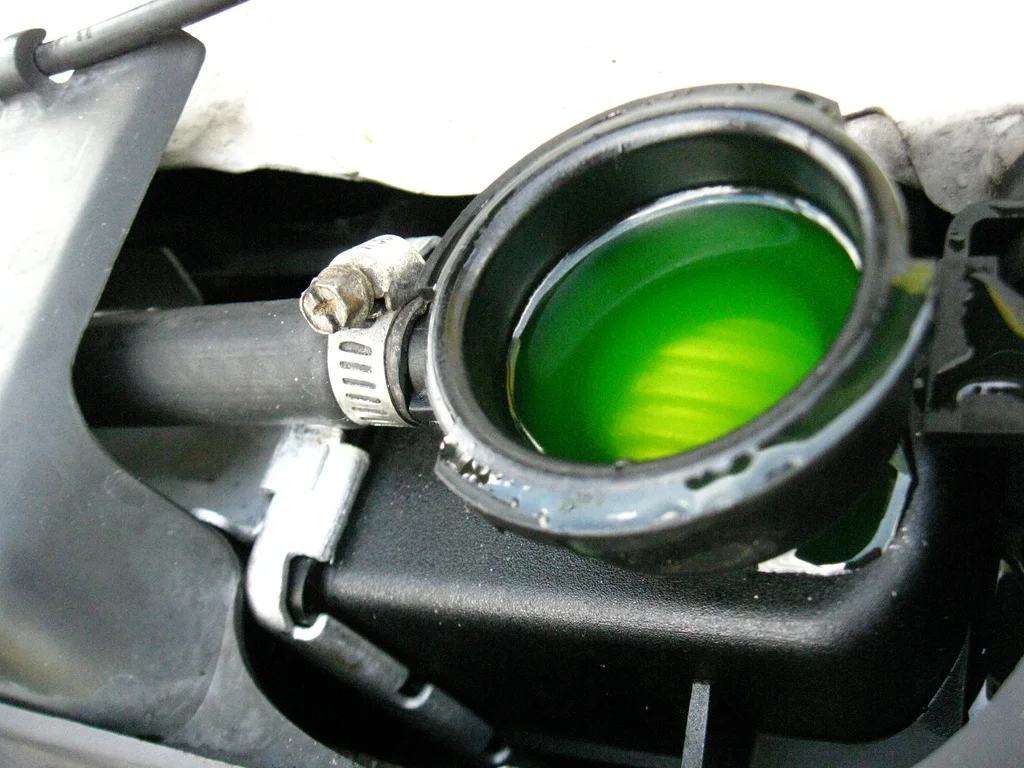
On many combustion-engine vehicles, cabin heat uses hot engine coolant passing through a heater core. Air doors and controls regulate how much warmth reaches the vents. Other vehicle designs use different heating arrangements, so the exact model matters. A useful evaluation separates refrigerant performance, coolant-related heating, electrical operation and air distribution before a repair is chosen.
Signs it’s time for a closer look.
- Warm or intermittently cool air
- Weak airflow
- Unusual compressor noise
Refrigerant type and procedures vary by vehicle.
Cold while moving, warmer at a stop
Airflow across the condenser changes between steady driving and traffic. Fan operation or another system fault may become more noticeable at low speed, but that pattern does not identify a failed part by itself. Explain whether the air stays strong while its temperature changes.
Airflow fades during a longer drive
A blower or airflow restriction can behave differently from a simple loss of cooling. Note whether changing fan speed changes the amount of air and whether the concern returns after the vehicle has been parked. Those observations help distinguish an intermittent fault from a constant restriction.
Little cabin heat or unreliable defrosting
Weak heat may involve air controls, heater operation or engine coolant circulation. Tell the shop about temperature-gauge changes, coolant loss or fogging as well. If the windshield cannot be kept clear enough to see safely, stop and arrange assistance rather than continuing with limited visibility.
What an inspection may cover.
The checks depend on your vehicle and symptoms. Your shop will confirm the diagnostic scope before work begins.
Cooling performance
Operating conditions and relevant system measurements help assess why the air is not cooling as expected. The refrigerant specification must be identified first.
Leak evaluation
If charge loss is suspected, appropriate leak checks can help identify its source. Adding refrigerant does not repair a leaking component or connection.
Airflow, controls & heat
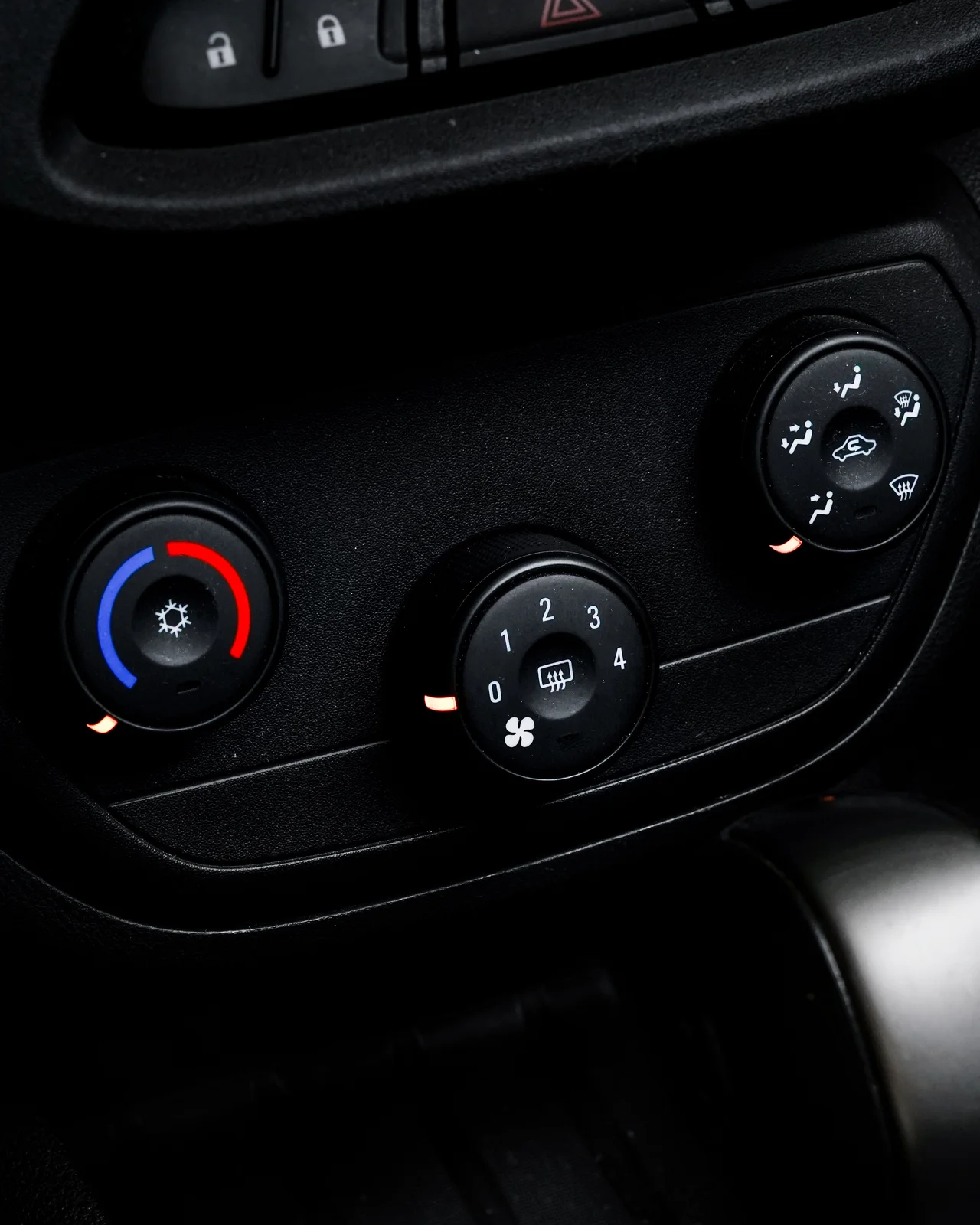
The blower, cabin filter, temperature controls and related components may be evaluated when airflow, air direction or heating is the main concern.
Repair and service options.
Your vehicle may need one of these services, a combination, or a different repair. Inspection helps determine the right next step.
Refrigerant-system repair
Confirmed faults may involve a leak, compressor or another component. Any service must use the correct refrigerant and applicable equipment for the vehicle.
Blower & air distribution
A blower or air-door concern calls for a different repair than a refrigerant issue. Access varies considerably with component location.
Heating-system faults
Heating can be affected by coolant circulation, controls or a heater component. The findings should establish which system requires attention.
Understanding your options.
Recharge versus leak repair
A recharge restores the specified refrigerant charge; it does not seal an existing leak. If the system has needed repeated additions, ask how the source will be investigated and which repair is proposed. Refrigerant identification and vehicle-specific service requirements belong in that discussion.
Underhood repair versus dashboard access
A hose connection, compressor and evaporator can require very different amounts of access. Two repairs described as “fixing the A/C” may therefore have very different estimates. Ask which component is involved and whether trim or dashboard removal is part of the authorized work.
Temperature repair versus airflow repair
Replacing refrigerant-system parts will not necessarily correct an air door that sends air to the wrong outlet or a blower that does not run. An itemized recommendation should connect the affected component to the actual vent behavior you reported.
What affects cost and timing?
- Required refrigerant and the cause of the comfort concern
- Component access, including any dashboard work
- Leak testing, parts and vehicle-specific service procedures
How long will it take?
A visible connection leak and a component behind the dashboard have very different repair scopes. Confirm the diagnosis, parts availability and required access before relying on a completion estimate.
Before your visit.
- Explain whether airflow is weak or the airflow is strong but the temperature is wrong.
- Mention whether performance changes in traffic or between the driver and passenger vents.
- Tell the shop about previous recharge work, unusual noises and temperature warnings.
After the service: what to understand and monitor.
- Compare cooling, heating and fan response during ordinary use, including the conditions that originally caused the concern. Report recurring symptoms rather than adding refrigerant yourself.
- Keep the service record showing the diagnosed fault and work performed. Mention any previous recharge products or additives when arranging follow-up.
- Contact the shop if a new temperature warning, coolant loss or visibility problem occurs. Cabin comfort and engine temperature may involve different follow-up needs.
About a/c & heating repair.
Does warm A/C mean it only needs refrigerant?
No. A refrigerant concern is one possibility, but controls, airflow, compressor operation and other faults can also affect cooling. Testing helps establish the cause.
Why is one side colder than the other?
Some vehicles have separate temperature-control components, but several faults can cause uneven cooling. Describe the difference so the relevant controls and system operation can be evaluated.
Can a cabin filter affect cooling?
A restricted filter can reduce airflow, depending on the vehicle. It does not explain every temperature concern, so weak airflow should be distinguished from warm air at normal flow.
Can any shop service any refrigerant system?
Equipment and procedures vary by refrigerant and vehicle. Provide your vehicle details so the selected PAC shop can confirm compatibility before the visit.
Why does my A/C work differently in traffic?
Road speed changes airflow through the front of the vehicle, and the cooling system must still operate when the vehicle is stopped. This pattern is useful diagnostic information, but it does not prove a fan or compressor failure. Share the outside conditions and how quickly the temperature changes.
Should I request cooling-system repair for weak cabin heat?
Describe the weak heat first and include any coolant or engine-temperature concern. Cabin heating can involve coolant circulation on many vehicles, but air controls or other components may also be responsible. The symptoms should guide which system is evaluated.
What information helps with intermittent A/C problems?
Note drive length, whether the vehicle is moving or stopped, fan setting, affected vents and whether air volume or temperature changes. An observation made while safely parked can be helpful; do not operate a phone or collect measurements while driving.
Talk with your local PAC team.
Choose the shop you plan to visit for a/c & heating repair. Share your vehicle year, make, model and the concern you’re noticing so the team can confirm the appropriate evaluation, vehicle compatibility and availability. Pasadena has two PAC locations; use the street name to reach the right team.
Understand the work before you approve it.
Talk through the findings, estimate and next steps with your PAC team. Ask which repairs qualify for the nationwide 2-year/24,000-mile warranty and review the coverage terms.
Explore warranty coverage