Find out whether the issue is stored power, cranking, charging or electrical draw before buying parts.
A no-start condition could involve the battery, starter, alternator or their connections. Testing helps identify the right next step.
A vehicle that clicks, cranks slowly or repeatedly needs a jump start may have a battery concern, but the battery is only part of the starting and charging system. Connections, starter operation, charging performance and unwanted electrical draw can produce similar symptoms. Testing helps establish which part of that system needs attention.
Stored power, engine cranking and charging are different jobs
The battery stores electrical energy, the starter turns the engine during a start attempt and the charging system supports electrical demand while replenishing the battery during operation. Cables and connections link those functions. A fault in one area can resemble a problem in another, which is why a no-start complaint needs a clear description before a part is selected.
Battery state of charge and battery condition are also different. A serviceable battery can be discharged, while a deteriorated battery may be unable to deliver adequate power even after charging. Some vehicles manage charging electronically or use stop-start battery designs with specific requirements. The correct test and replacement depend on the installed system, not a single universal voltage or battery label.
Signs it’s time for a closer look.
- Slow cranking or clicking
- Battery warning light
- Repeated jump starts
Replacing a battery alone may not resolve a charging or drain issue.
Clicking or noticeably slow cranking
Low available power, a poor connection, starter performance or another source of resistance can contribute. Note whether the lights dim and whether the symptom follows a parked period or a warm restart. A click alone does not prove the starter has failed.
Normal cranking without the engine starting
If the engine turns at its usual speed but never begins running, the concern may involve fuel, ignition, controls or mechanical condition rather than the starter. State that distinction when calling so the shop can plan the relevant evaluation instead of assuming the battery needs replacement.
A charging warning while the engine is running
The warning indicates a charging-system concern, not simply battery age. The alternator, its drive, wiring or controls may require evaluation. Electrical power may become insufficient as the vehicle continues operating. Follow the owner’s manual and contact the shop about the safest next step.
What an inspection may cover.
The checks depend on your vehicle and symptoms. Your shop will confirm the diagnostic scope before work begins.
Battery & connections
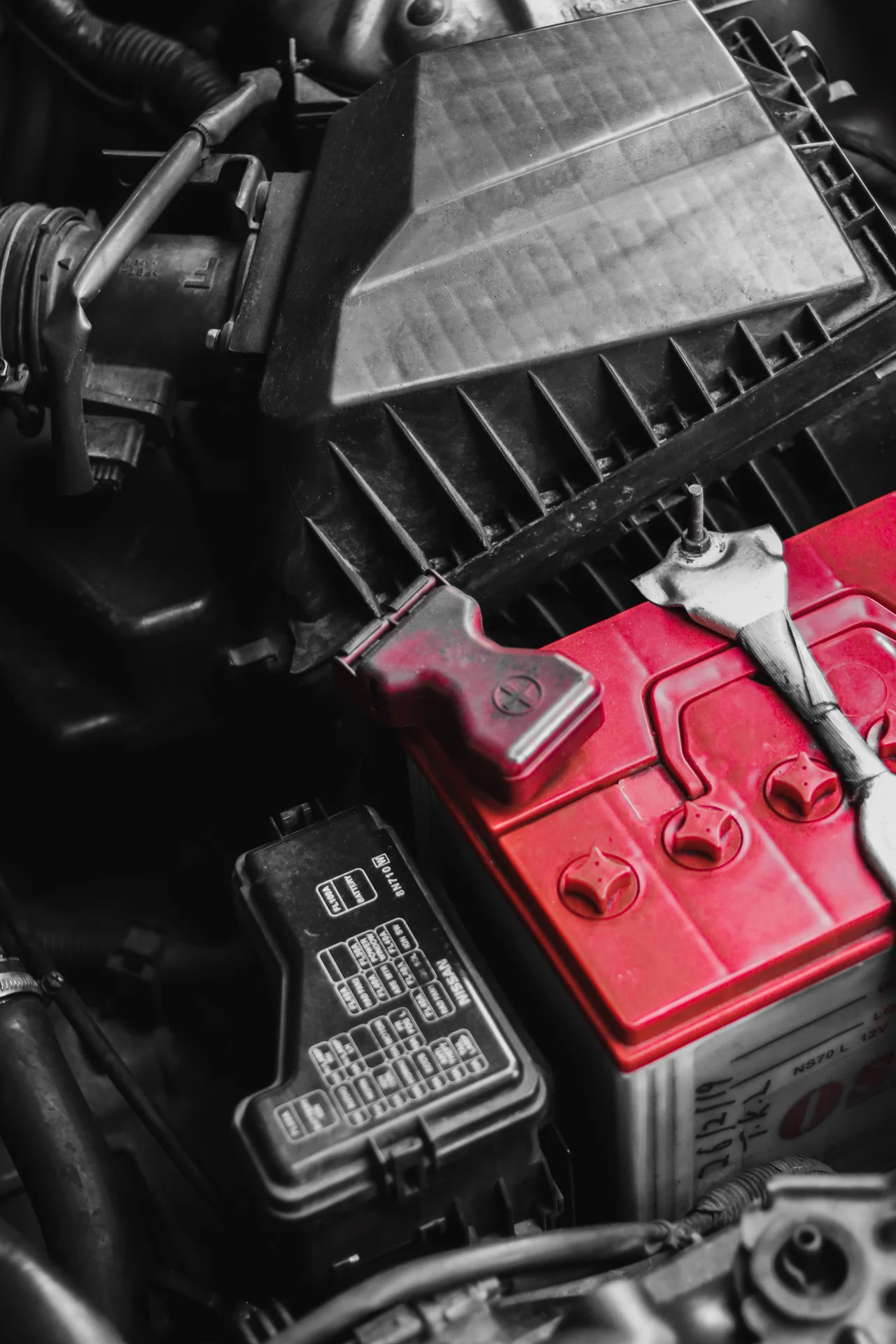
Battery condition and the relevant connections are evaluated together. An otherwise serviceable component may not perform correctly through a poor connection.
Starting operation
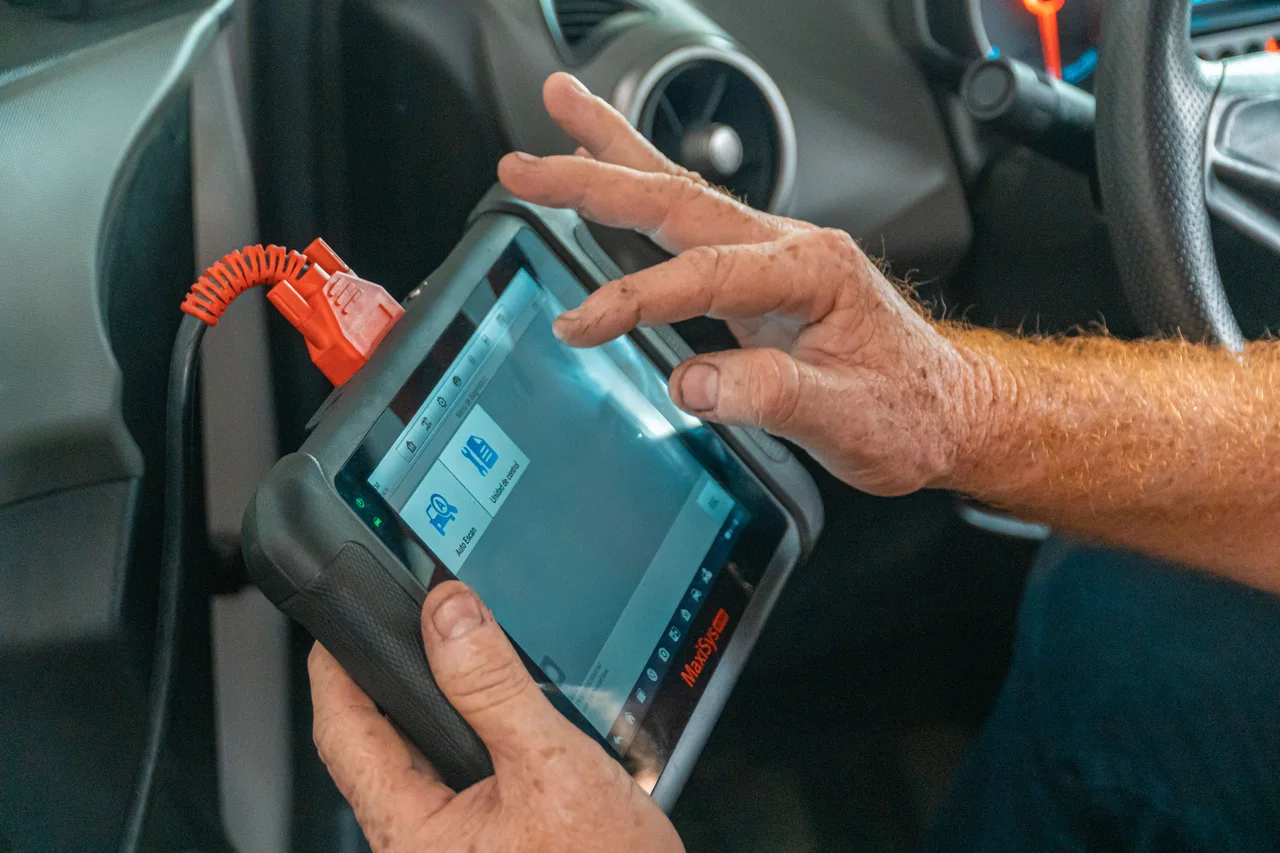
Cranking behavior and circuit measurements can help distinguish a starter concern from a battery, connection or another starting-system issue.
Charging performance
Charging operation is assessed with the vehicle’s control strategy in mind. Repeated discharge may also require separate investigation of what happens while parked.
Repair and service options.
Your vehicle may need one of these services, a combination, or a different repair. Inspection helps determine the right next step.
Correct battery replacement
Battery size, type and specification matter. Some vehicles also require a battery-management procedure; confirm the full installation scope for your model.
Starter or connection repair
A confirmed starting fault may involve the starter or its circuit. The estimate should explain the test findings and what will be replaced or repaired.
Charging or draw repair
An alternator fault and an unwanted draw are different problems. Repair should follow the test results rather than treating every discharged battery as an alternator failure.
Understanding your options.
Charge and evaluate versus replace immediately
A low state of charge can affect the interpretation of a battery test. The appropriate evaluation considers charge, battery health and the reason power was low. Ask whether the recommendation identifies an unusable battery, a charging fault or an unexplained drain that still needs diagnosis.
Correct battery design and installation scope
Size, capacity, terminal arrangement, venting where applicable and required battery technology matter. Some models require battery-management registration or a relearn procedure. Confirm the vehicle-specific requirements and what installation includes rather than selecting solely by the lowest price or physical fit.
A charging fault versus parked electrical drain
An alternator replacement will not fix every overnight discharge. Driving pattern, battery condition and electrical activity while parked may need separate checks. Tell the shop how quickly the battery loses charge and whether the problem appears after short trips, extended parking or recently added accessories.
What affects cost and timing?
- Required battery type or the confirmed starting/charging fault
- Component location and installation access
- Additional draw testing or vehicle-specific setup
How long will it take?
A straightforward replacement differs from diagnosing repeated discharge. Tell the shop how long the vehicle sits before the problem returns so it can plan appropriate testing.
Before your visit.
- Describe whether the engine clicks, cranks slowly or cranks normally without starting.
- Mention how often a jump start is needed and how long the vehicle was parked.
- Share battery age if known and any recently installed electrical accessories.
After the service: what to understand and monitor.
- Keep the battery specification or confirmed repair details with the invoice, including any model-specific setup completed as part of the work.
- Watch for slow starting, returning charging warnings or repeated discharge. Report how long the vehicle was parked and whether its normal use changed.
- Ask which settings or operating behaviors may need attention after battery replacement. Follow guidance for your exact model instead of disconnecting it repeatedly to force a reset.
About batteries, starters & alternators.
If it starts with a jump, is the battery definitely bad?
No. A jump start does not establish why the available power was low. Battery condition, charging performance, connections and unwanted draw may need to be checked.
Does normal cranking mean I need a starter?
A vehicle that cranks normally but does not start may have another concern. Describe that behavior clearly so the shop can plan the right diagnosis.
Why did the new battery go flat?
A replacement battery does not resolve a charging, connection or draw problem. Share when it was installed and how quickly the issue returned.
Can any replacement battery be installed?
Use the vehicle’s required type and specification. Some vehicles require additional setup after installation, which should be confirmed as part of the proposed service.
Can short trips contribute to a weak battery?
They can contribute when the electrical energy used is not adequately replenished, but the pattern alone does not diagnose battery condition or charging performance. Share your typical use and parking periods so the evaluation can account for both the vehicle and how it is driven.
Is battery charge level the same as battery health?
No. Charge level describes how much electrical energy is currently stored; battery health concerns its ability to store and deliver useful power. A battery may need charging before its condition can be assessed properly. A single voltage reading does not fully establish either the cause of discharge or starting performance.
Why might lights work when the engine will not crank?
Lighting can require far less power than engine cranking. Working lights therefore do not establish that the battery and connections can supply the starter correctly. Starting-circuit faults and other conditions can also prevent cranking, so the complete symptom needs evaluation.
Talk with your local PAC team.
Choose the shop you plan to visit for batteries, starters & alternators. Share your vehicle year, make, model and the concern you’re noticing so the team can confirm the appropriate evaluation, vehicle compatibility and availability. Pasadena has two PAC locations; use the street name to reach the right team.
Understand the work before you approve it.
Talk through the findings, estimate and next steps with your PAC team. Ask which repairs qualify for the nationwide 2-year/24,000-mile warranty and review the coverage terms.
Explore warranty coverage