Compare documented repair options, complete installation scope and actual coverage before a major decision.
An engine concern is a major decision, not a reason to rush. We evaluate the failure, discuss repair or replacement options and explain the scope before you authorize work.
An engine concern does not automatically mean the engine needs replacement. Loss of performance, noise, smoke or fluid consumption can have several causes. A major repair decision should connect diagnostic findings to the available options, expected scope, parts sourcing and warranty eligibility so you can evaluate the vehicle as a whole.
Separate engine performance from internal engine condition
An engine depends on coordinated air, fuel, ignition where applicable, mechanical timing, lubrication and cooling. A fault in one supporting system can cause poor running even when the internal engine is serviceable. Internal wear or damage can also produce symptoms that resemble a fuel, ignition or control problem. Diagnosis needs to distinguish those possibilities.
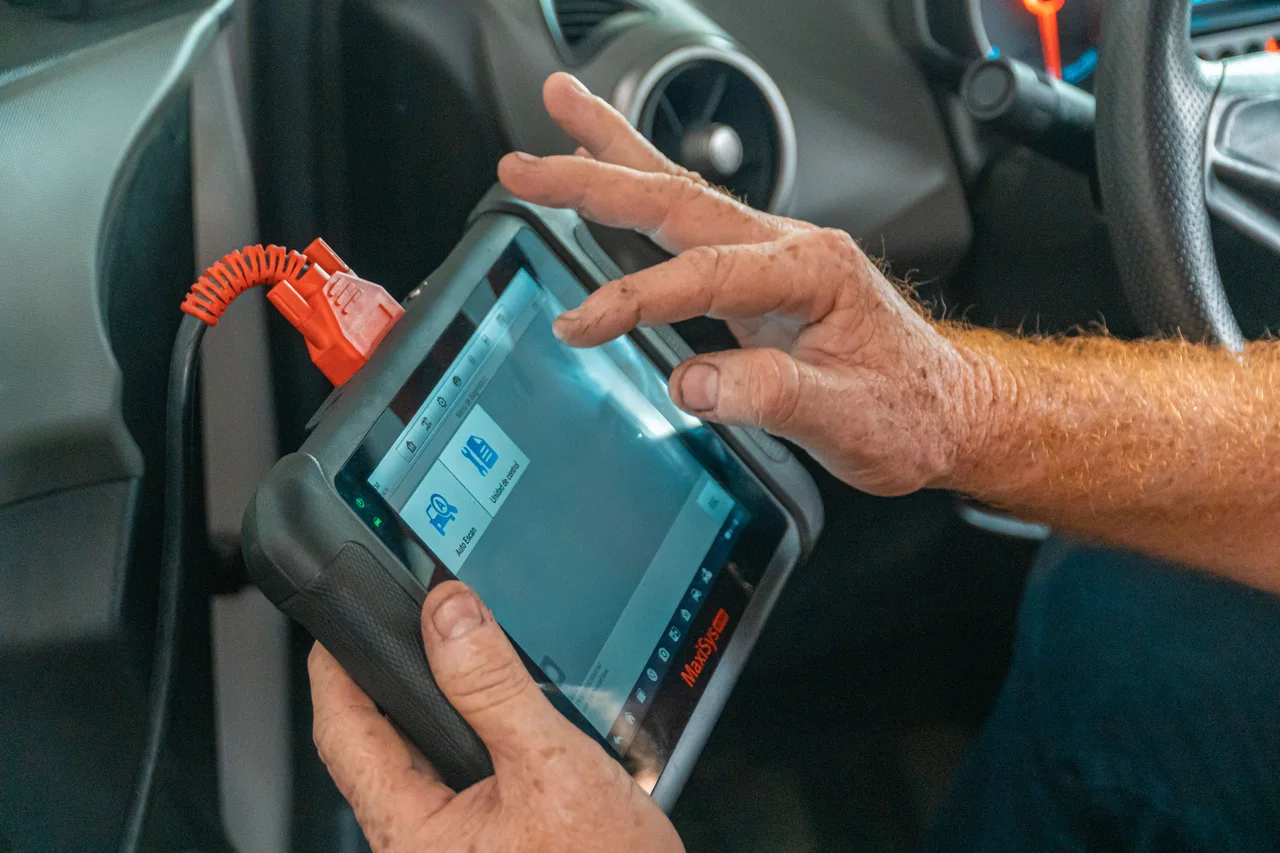
The decision becomes clearer when the findings answer three questions: what failed, how much of the engine is affected, and why the failure happened. Compression, leakage, oil-pressure or other condition tests may be appropriate depending on the concern. No single test is required for every engine, and some uncertainties remain until specifically authorized disassembly is completed.
Signs it’s time for a closer look.
- Persistent power loss
- Abnormal engine noise
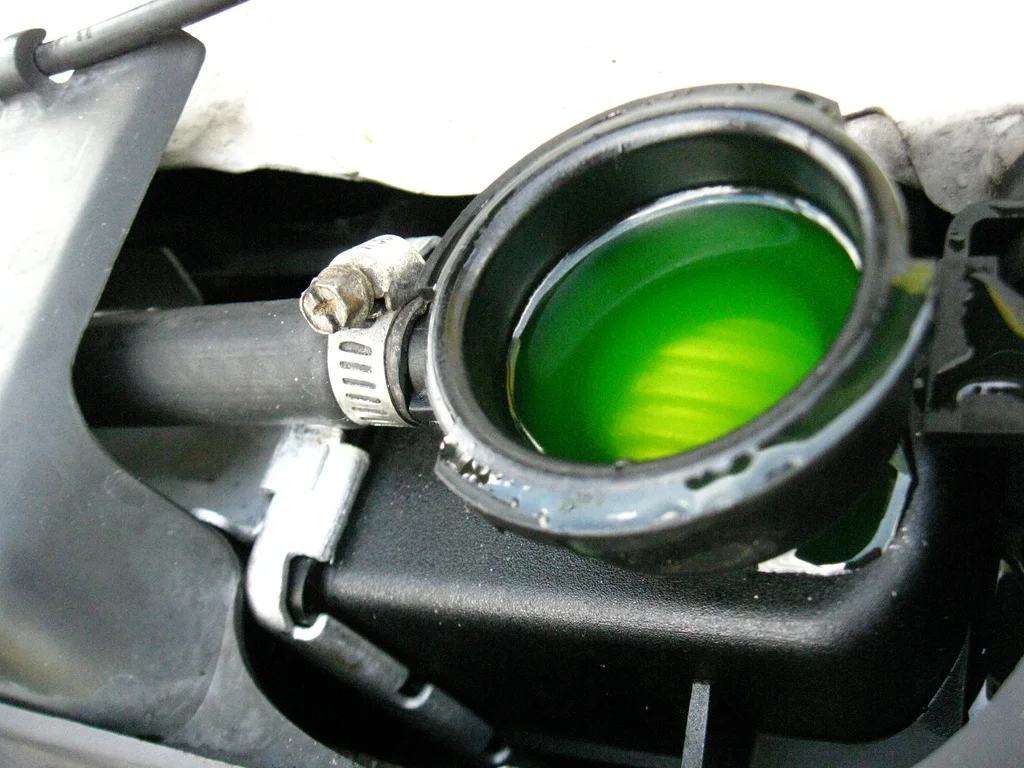
- Oil consumption, smoke or overheating
Parts availability, installation scope and warranty eligibility must be confirmed for each job.
Oil consumption with or without driveway spots
Oil can leave through an external leak or be consumed inside the engine. The absence of a puddle does not establish which is happening. Share the quantity and distance between additions if known, along with smoke, warning messages and recent changes in oil use.
Loss of power or rough running
A misfire, fuel-delivery problem, airflow concern or mechanical condition can affect performance. The circumstances matter: starting, idling, accelerating and carrying a load may expose different faults. Avoid treating a rough-running engine as evidence that a complete replacement is necessary.
Noise following overheating or a pressure warning
Describe the order of events rather than only the final sound. A temperature or oil-pressure warning followed by abnormal noise can change the urgency and diagnostic plan. Stop safely if a critical warning or severe noise occurs, and contact the shop about transport.
What an inspection may cover.
The checks depend on your vehicle and symptoms. Your shop will confirm the diagnostic scope before work begins.
Symptoms & history
Previous overheating, warning messages, fluid consumption and maintenance records can help establish the sequence of events and guide the initial evaluation.
Relevant condition testing
Depending on the concern, testing may examine mechanical condition, lubrication, cooling or timing. The appropriate checks vary by engine and symptoms.
Scope & supporting systems
A repair plan should consider the cause and related systems. Replacing an engine without addressing an underlying supporting-system fault may leave an important issue unresolved.
Repair and service options.
Your vehicle may need one of these services, a combination, or a different repair. Inspection helps determine the right next step.
A targeted engine repair
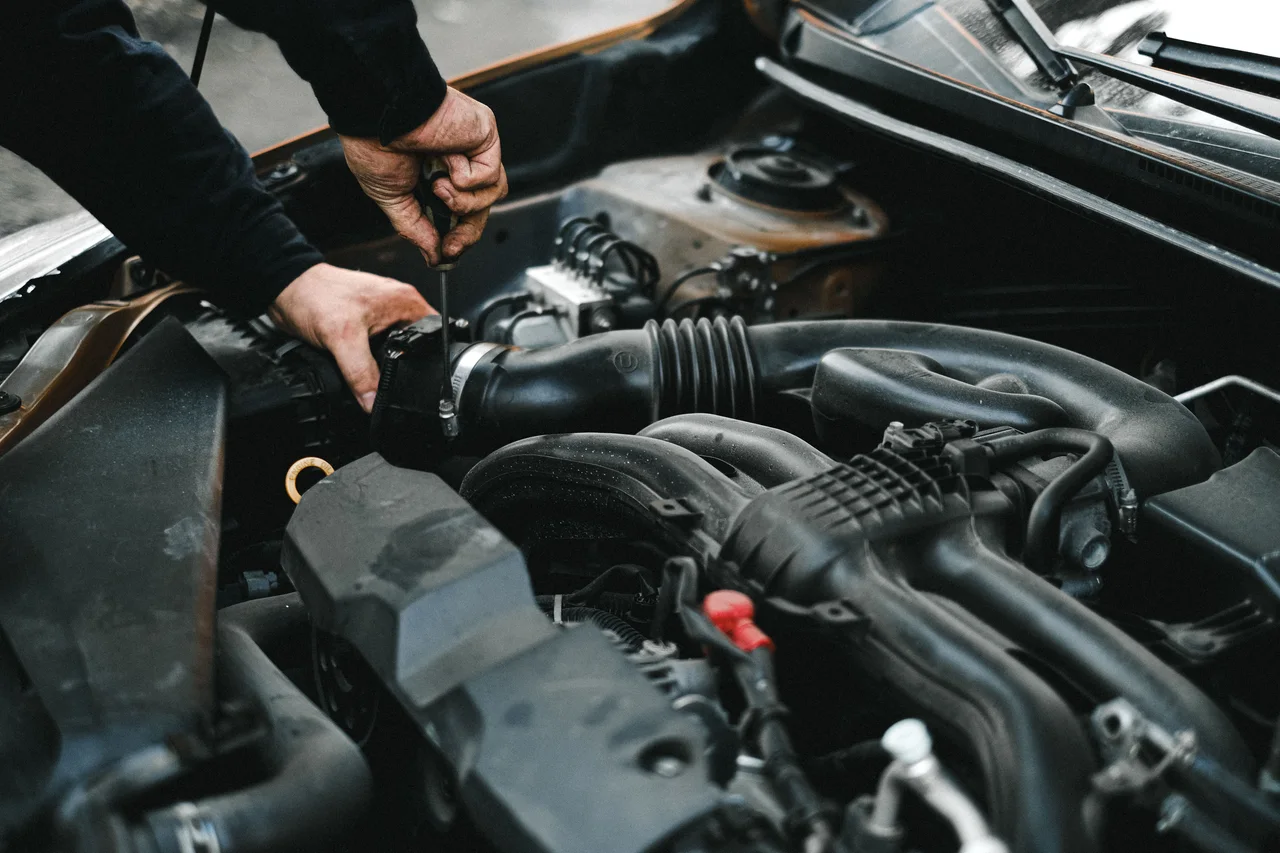
Some findings support a specific component or assembly repair. Ask what the work addresses and which uncertainties remain before approving disassembly or additional testing.
Replacement options
Availability may include different replacement assemblies. Compare documented condition, included components, installation scope and actual coverage rather than price alone.
Related parts & final checks
Supporting parts, fluids and setup can materially affect the job. The written estimate should make these items and the planned verification clear.
Understanding your options.
External or top-end work versus a complete assembly
A leak, timing component or cylinder-head concern does not have the same scope as damage affecting the lower engine. Ask which findings support the proposed level of repair and whether the condition of the remaining engine makes that option reasonable.
Used, rebuilt or remanufactured options
These descriptions are not interchangeable. A used assembly has prior operating history; rebuilt and remanufactured offerings can differ in inspection, replacement standards and included parts. Request the actual supplier description, documented condition, compatibility and written coverage for the option being quoted.
The engine price versus the complete installation
Fluids, seals, supporting components, transfer of accessories and vehicle-specific setup may sit outside a headline assembly price. The estimate should also identify whether a cooling or lubrication fault that contributed to the failure needs separate correction.
What affects cost and timing?
- The verified failure and extent of damage
- Repair versus replacement options and parts availability
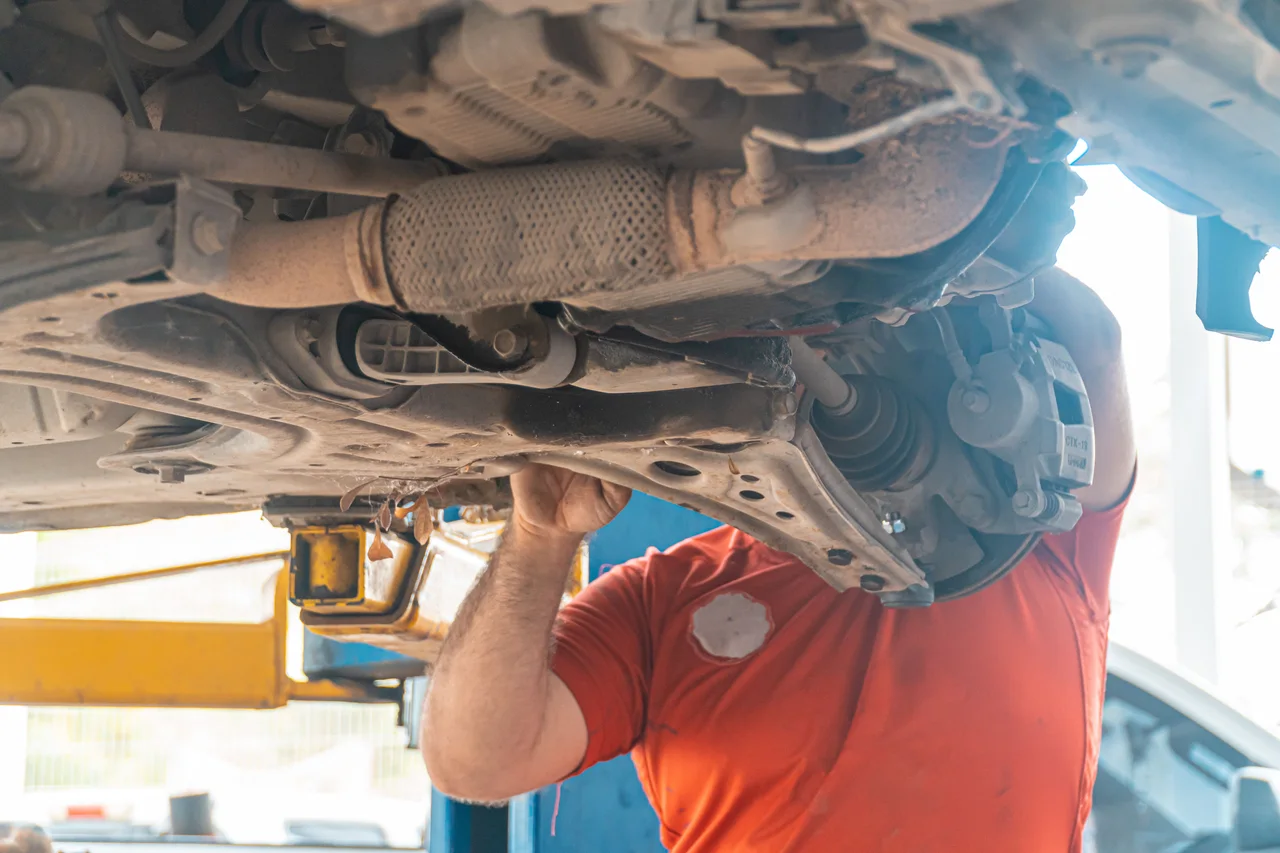
- Installation access, supporting components and required setup
How long will it take?
Major engine work depends on diagnostic findings, sourcing and approval of the final scope. Ask when the shop can provide an updated estimate rather than assuming every engine job follows the same timeline.
Before your visit.
- Gather service history, prior findings and details of any overheating event.
- Describe fluid consumption and warning behavior as accurately as possible.
- Share your vehicle-use needs and ask about transport before arranging the visit.
After the service: what to understand and monitor.
- Follow the written operating and maintenance instructions for the particular repair or replacement assembly. Break-in requirements should come from that job’s instructions, not a generic mileage rule.
- Keep the invoice, assembly information and applicable warranty documents together. Record any required follow-up visit or maintenance documentation needed for the supplied coverage.
- Report warning lights, abnormal noise, new leaks or unexpected fluid consumption promptly. Ask the shop how to monitor the repaired vehicle without opening hot or moving components.
About engine repair & replacement.
Does engine noise mean I need a replacement?
No. The sound needs evaluation to locate its source and determine the extent of the issue. An accessory or another component can sometimes sound like an internal-engine concern.
How should I compare repair and replacement?
Compare the confirmed scope, replacement assembly details, related work, coverage and the vehicle’s overall condition. Those factors are more useful than a headline parts price alone.
Is every replacement engine covered the same way?
No. Coverage can depend on the supplier, assembly and installation. Confirm the specific job’s written eligibility, exclusions and claims process before authorizing it.
Can you give a firm price before inspection?
The shop can discuss an evaluation plan, but a dependable estimate requires knowing the failure and work involved. Additional disassembly may need separate authorization.
Does a replacement engine make the whole vehicle new?
No. The transmission, cooling components, electronics, suspension and other systems retain their own condition unless included in the work. Considering those systems and your expected use helps put the engine decision in context.
Why might disassembly need a separate approval?
Some damage is hidden inside the assembly. A staged authorization can define the inspection work, its cost and what happens after the findings are available. Ask what can be determined before disassembly and what decisions may still remain afterward.
What if another shop already recommended an engine?
Bring its written findings, test results and estimate. They provide useful context, but the recommendation should still match the vehicle’s current condition and the proposed installation scope. Share whether the vehicle has been driven or repaired since those findings.
Talk with your local PAC team.
Choose the shop you plan to visit for engine repair & replacement. Share your vehicle year, make, model and the concern you’re noticing so the team can confirm the appropriate evaluation, vehicle compatibility and availability. Pasadena has two PAC locations; use the street name to reach the right team.
Understand the work before you approve it.
Talk through the findings, estimate and next steps with your PAC team. Ask which repairs qualify for the nationwide 2-year/24,000-mile warranty and review the coverage terms.
Explore warranty coverage