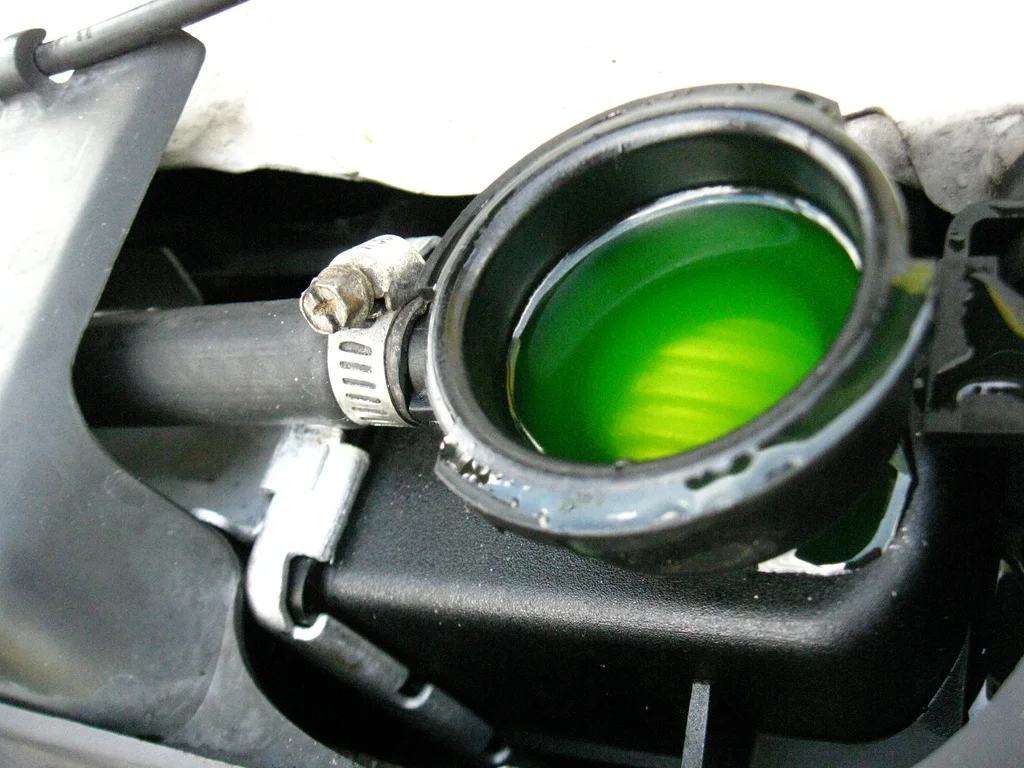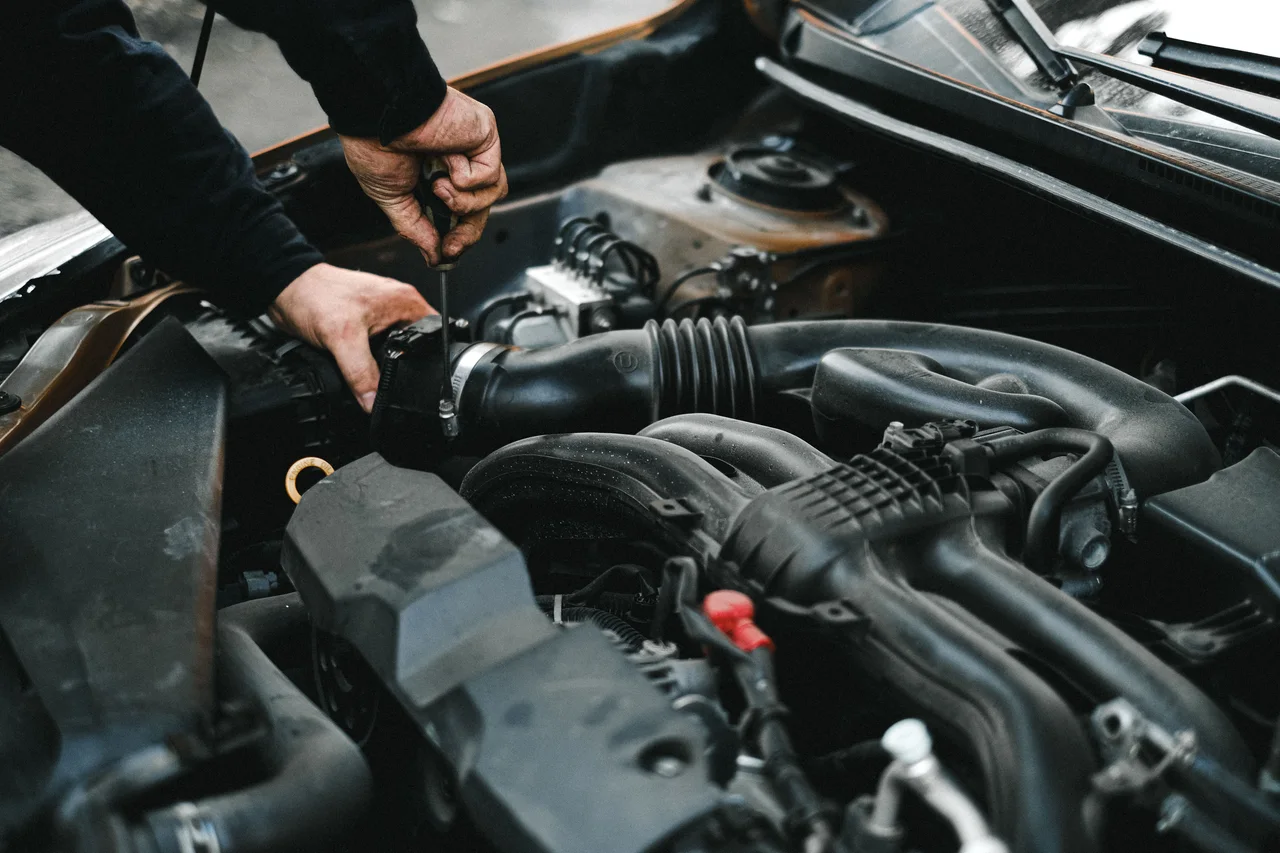
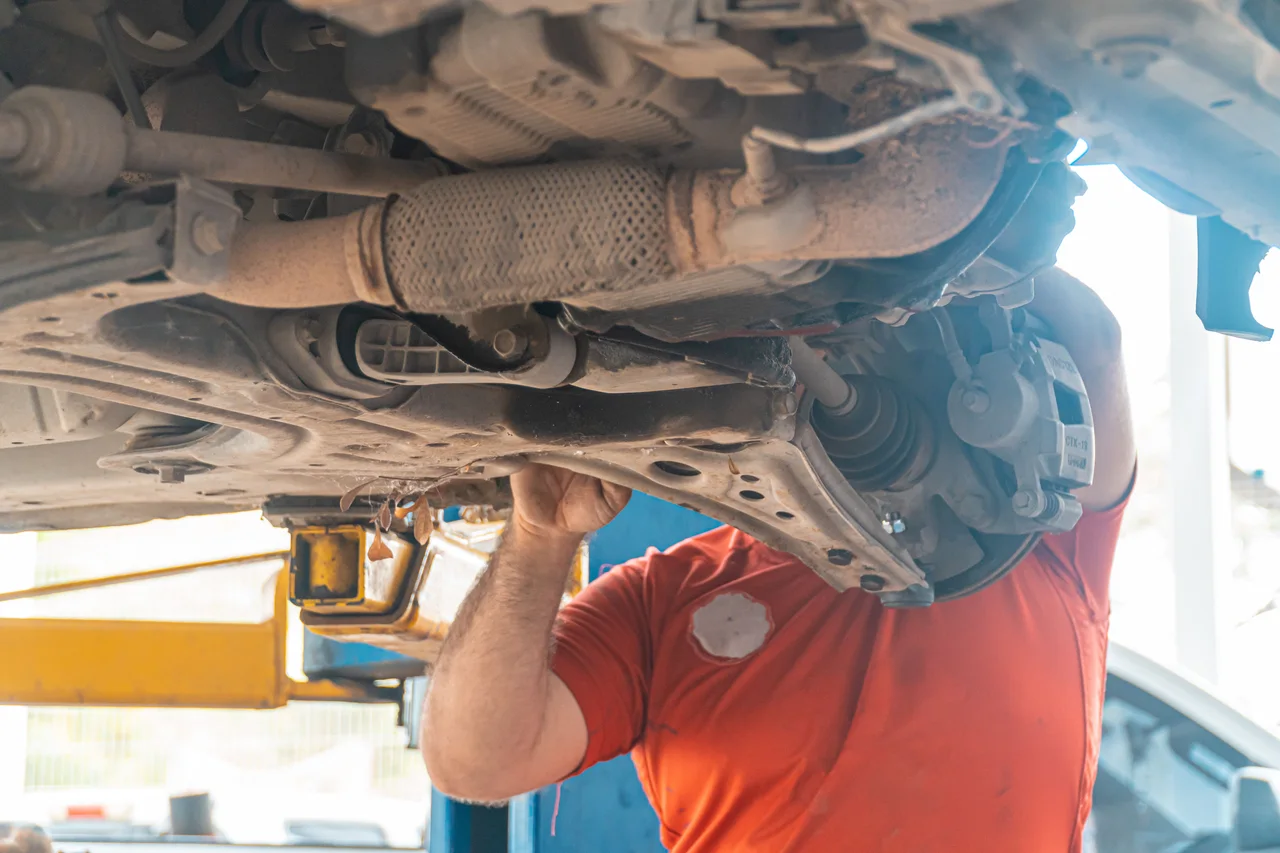
Identify the fluid, trace the source and understand the access required before approving a leak repair.
Fluid on the driveway does not always reveal where a leak began. We identify the fluid and trace the source so the repair addresses the cause.
The spot on the ground may be some distance from the source of a leak. Fluid can travel across engine surfaces or collect on underbody panels before dripping. Identifying the fluid and tracing where it began helps separate a gasket or seal concern from a hose, connection or another system’s fault.
The fluid, its source and its effect all matter
A vehicle contains several separate fluid systems. Engine oil lubricates internal parts, coolant carries heat away, and other fluids support transmission, braking or steering functions where applicable. A small amount lost from a critical system can be important even when the spot on the driveway looks modest. Fluid level, location and operating symptoms help determine the urgency.
Seals, gaskets, housings, hoses and connections retain fluid under different temperature and pressure conditions. Some leaks appear only after a drive or while a system is operating. Airflow can move fluid rearward, and shields can hold it before it reaches the ground. These patterns explain why the visible drip point and the failed component may be in different places.
Signs it’s time for a closer look.
- Spots under the vehicle
- Falling fluid levels
- Burning smells or seepage
Avoid driving with low critical fluids. Contact the shop for guidance.
A damp area with no drops on the ground
Surface seepage and an active drip can have different rates of loss, but appearance alone does not determine whether either can wait. An inspection should consider which fluid is involved, whether levels are changing and whether fluid is reaching nearby components.
A burning smell after parking
Fluid contacting a hot surface is one possible cause, although odors can also come from other problems. Mention smoke, recent service and where the smell seems strongest. If smoke is substantial or fire is suspected, stop safely, move away and seek appropriate assistance.
Fluid loss without an obvious puddle
A leak may collect on a shield, occur only during operation or involve internal consumption. Explain which level has changed, how often fluid was added and any related warning. Do not assume the absence of a driveway spot means the system is retaining its fluid.
What an inspection may cover.
The checks depend on your vehicle and symptoms. Your shop will confirm the diagnostic scope before work begins.
Identify the fluid
Location, condition and relevant system levels help guide evaluation. Fluid color by itself is not a dependable diagnosis because products and condition vary.
Trace the source
An inspection may require cleaning or appropriate tracing methods to distinguish fresh leakage from old residue and establish the source.
Check related effects
The evaluation considers nearby components and reported warnings. The amount and location of fluid loss can affect the urgency and repair scope.
Repair and service options.
Your vehicle may need one of these services, a combination, or a different repair. Inspection helps determine the right next step.
Gaskets & seals
A confirmed sealing fault may require very different labor depending on location. The estimate should identify which seal is involved and the access required.
Hoses & connections
A fluid line or connection may be the source rather than a major assembly. Inspection findings should guide which parts need attention.
Refill & recheck
The correct fluid and level procedure depend on the system. A suitable recheck helps establish whether the repaired source remains dry under relevant conditions.
Understanding your options.
A sealing fault versus a contributing condition
A damaged gasket or seal may be the visible source, but the surrounding assembly and any relevant pressure or ventilation concern may also need evaluation. Ask whether the proposal addresses only the leaking part or an identified condition that contributed to the leak.
Accessible repair versus major removal
An inexpensive seal can still require substantial labor if an engine or transmission assembly blocks access. The estimate should identify the specific source and explain that access. Compare the complete job, including required fluids and related work, rather than the seal price alone.
One source versus several leaks
Older residue can conceal more than one active source. If testing is staged, ask which leak is confirmed, which areas need further observation and how follow-up findings will be communicated. Addressing one source should not be presented as proof that every wet area has the same cause.
What affects cost and timing?
- The fluid system and confirmed source of loss
- Access to the gasket, seal, line or component
- Required fluids, tracing work and any related damage
How long will it take?
A hidden or intermittent leak may need cleaning and further observation. Once the source is identified, parts access and the required recheck help determine the repair estimate.
Before your visit.
- Describe where you notice spots and how often they appear.
- List any fluid additions and warnings without guessing the failed part.
- Mention recent service and ask the shop about transport if a critical fluid is low.
After the service: what to understand and monitor.
- Watch for fresh spots and report their timing and approximate location. Residue and an active leak need to be distinguished by inspection rather than assumed harmless.
- Keep the invoice identifying the repaired source, fluid and any follow-up instructions. Tell the shop promptly if a warning or an unexpected drop in level returns.
- Ask which checks are safe for the vehicle owner and follow the manual. Never open a hot cooling system or get underneath an unsupported vehicle to investigate.
About oil & fluid leak repair.
Can you identify the leak from a driveway photo?
A photo can provide context, but it rarely confirms the source. Fluid can move before it drips, so the vehicle needs evaluation before selecting a repair.
Does a puddle always mean a mechanical leak?
No. Water from normal A/C condensation is one possibility, but appearance alone should not be used to dismiss a concern. Mention falling fluid levels or warning messages.
Will replacing the lowest wet part fix it?
Not necessarily. A higher leak can coat parts below it. Tracing fresh fluid to its origin helps avoid repairing a component that is only collecting runoff.
Why might cleaning be part of diagnosis?
Old residue can hide the source of fresh leakage. Cleaning and rechecking, when appropriate, can help distinguish one source from several and guide a more accurate estimate.
Can a small leak wait until the next oil change?
That depends on the system, rate of loss and where the fluid goes. A small visible spot does not rule out a critical problem. Tell the shop about changing levels, braking or steering concerns, smoke and warning lights so urgency can be assessed.
Should I use a stop-leak product?
Discuss the actual source and the vehicle’s fluid requirements with the shop first. An additive does not identify the failed part and may complicate later diagnosis or repair. Mention any product already added, including the name if available.
Why would there still be a spot after a leak repair?
Remaining fluid on a shield or surface, another source, or a continuing leak are all possibilities. Report the observation and arrange the recommended recheck. It should not automatically be dismissed as residue or treated as proof of a particular failure.
Talk with your local PAC team.
Choose the shop you plan to visit for oil & fluid leak repair. Share your vehicle year, make, model and the concern you’re noticing so the team can confirm the appropriate evaluation, vehicle compatibility and availability. Pasadena has two PAC locations; use the street name to reach the right team.
Understand the work before you approve it.
Talk through the findings, estimate and next steps with your PAC team. Ask which repairs qualify for the nationwide 2-year/24,000-mile warranty and review the coverage terms.
Explore warranty coverage